Thai coconut lime chicken lands in the sweet spot between fast weeknight cooking and a dinner that tastes like it took more effort than it did. The sauce turns silky from coconut milk, the lime keeps it bright, and the curry paste gives it enough warmth to taste layered without becoming heavy. Bite-sized chicken thighs stay juicy in the simmer, and the whole pan comes together with the kind of bold, fragrant sauce that practically begs for rice.
What makes this version work is the order. The chicken gets browned first so the pan has a little fond to deepen the sauce, then the onion, garlic, and ginger soften just enough before the coconut milk and curry paste go in. Lime juice goes in at the end, not the beginning, so it stays fresh instead of fading into the background. That last squeeze is what keeps the sauce from tasting flat.
Below, I’ve included the little details that matter most: how to keep the sauce smooth, what to do if you want less heat, and the best way to handle leftovers without drying out the chicken.
The sauce thickened up beautifully and the lime at the end made it taste so fresh. I served it over jasmine rice and my husband went back for seconds before I even sat down.
Save this Thai Coconut Lime Chicken for the nights when you want a creamy one-pan dinner with bright lime and a little curry heat.
The Secret to Keeping Coconut Curry Sauce Smooth Instead of Grainy
Most coconut curry chicken goes wrong when the pan is too hot once the coconut milk goes in. Coconut milk can separate if it gets blasted at a hard boil, and red curry paste can turn a little dull if it never gets a chance to bloom in the fat. Gentle simmering is what gives you a sauce that looks creamy and tastes rounded instead of oily and sharp.
The other common mistake is overcrowding the chicken at the start. If the pieces are piled together, they steam and throw off the sauce later. Give them enough space to brown on the outside before they go back into the coconut milk, and the finished dish will have better texture and more flavor from the pan itself.
- Chicken thighs — Thighs stay tender through the simmer and hold up better than breast meat in a sauce like this. Breasts can work, but they need a shorter simmer or they’ll go dry and stringy.
- Coconut milk — Use full-fat canned coconut milk for the creamiest result. Light coconut milk works in a pinch, but the sauce will be thinner and less rich.
- Red curry paste — This is doing the heavy lifting for heat, spice, and color. Brands vary a lot, so taste yours if you’re sensitive to heat and start with a little less if needed.
- Fish sauce — It adds salt and deep savory flavor that you won’t get from plain salt alone. If you need a substitute, use soy sauce, but expect a slightly different flavor and a less seafood-like edge.
- Lime juice and zest — Juice gives brightness, while zest adds aroma that survives the heat. Add both at the end so the citrus stays fresh and lively.
Building the Pan Sauce in the Right Order
Brown the Chicken First
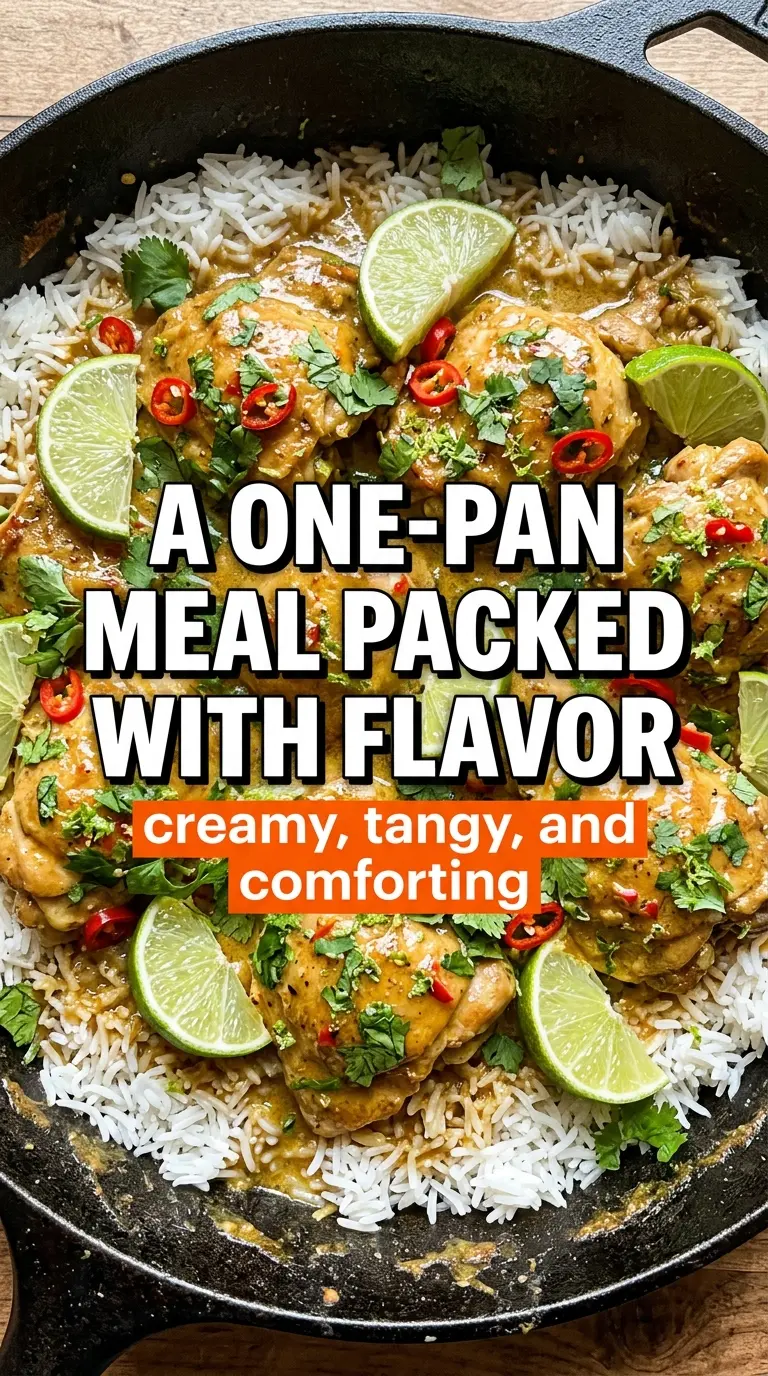
Heat the oil until it shimmers, then add the chicken in a single layer. Let it sit long enough to pick up color before you stir it around; if you move it too early, it releases moisture and turns pale. You’re not cooking it through here, just building flavor and giving the finished dish a better texture.
Wake Up the Aromatics
Once the chicken is out, the onion goes into the same pan to soften and pick up the browned bits left behind. Garlic and ginger only need about 30 seconds, just until they smell fragrant. If they start browning hard, the whole sauce can pick up a bitter edge, so keep them moving.
Let the Coconut Milk and Curry Paste Simmer Together
Whisk the coconut milk, curry paste, fish sauce, and brown sugar until the paste is fully dissolved. At first the sauce may look a little loose, then it thickens as it simmers and the fat and liquid come together. Keep the heat at a steady simmer, not a boil, so the sauce stays glossy instead of breaking.
Finish With Lime Off the Heat
Stir in the lime juice and zest right before serving. If they go in too early, the bright citrus flavor cooks off and the dish tastes flatter than it should. The sauce should taste creamy, savory, and a little sweet, then the lime should snap everything into focus at the end.
How to Adjust This Thai Coconut Lime Chicken for Your Pantry
Make It Dairy-Free Without Changing a Thing
This recipe is already naturally dairy-free as written, which is one reason it works so well for a lot of different tables. Keep the full-fat coconut milk and don’t swap it for a dairy milk alternative, since that would thin the sauce and strip away the body it needs.
Use Chicken Breast for a Leaner Version
Chicken breast works, but it needs a gentler hand. Cut it into similar bite-sized pieces and pull the dish off the heat as soon as the chicken is cooked through, because breast meat dries out fast in a simmering coconut sauce.
Make It Gluten-Free and Still Keep the Same Flavor
As long as your curry paste and fish sauce are certified gluten-free, this dish is already a good fit. The main thing to check is the label on the curry paste, since brands sometimes add thickeners or soy-based ingredients that can sneak in gluten.
Dial the Heat Up or Down
For a milder pan, start with less curry paste and add more after tasting the simmering sauce. For more heat, add extra paste or a few thin slices of fresh chili, but do it early enough for the flavor to mellow into the sauce.
Storage and Reheating
- Refrigerator: Store in an airtight container for up to 4 days. The sauce thickens as it chills, but the flavor holds up well.
- Freezer: It freezes well for up to 2 months. Cool completely before freezing, and leave a little room in the container since coconut sauce expands a bit.
- Reheating: Warm gently on the stove over low heat or in the microwave at medium power. A hard boil can split the coconut sauce and make the chicken tough, so reheat slowly and stir once or twice as it warms.
Questions I Get Asked About This Recipe
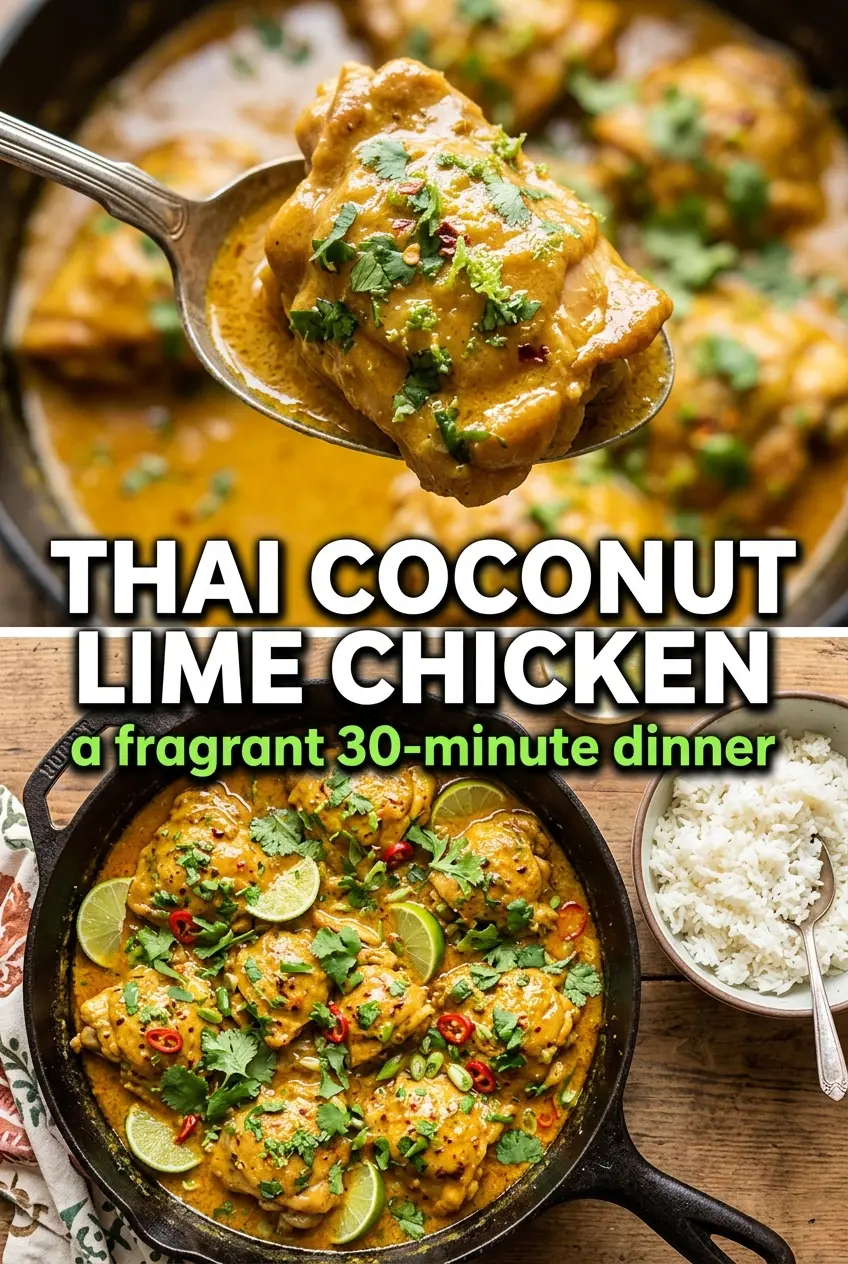
Thai Coconut Lime Chicken
Ingredients
Equipment
Method
- Heat the vegetable oil in a large skillet over medium-high heat. Sear the chicken pieces for 4–5 minutes, until browned on all sides, then remove and set aside.
- In the same skillet, sauté the onion for 3–4 minutes, until softened. Add the garlic and ginger and cook for 30 seconds, until fragrant.
- Stir in the coconut milk, red curry paste, fish sauce, and brown sugar, whisking until smooth. Keep the mixture over medium-high heat until it loosens into a cohesive sauce.
- Return the chicken to the skillet and simmer for 12–15 minutes, until the chicken is cooked through and the sauce has thickened slightly. Stir occasionally so the sauce coats the chicken evenly.
- Stir in the lime juice and lime zest just before serving. Taste and adjust as needed for brightness.
- Garnish with fresh cilantro and serve over rice. Keep the finished dish warm so the sauce stays silky.