Oven roasted vegetables hit the table with the kind of deep, caramelized edges that make even the pickiest plate look better. The broccoli gets crisp at the tips, the carrots turn sweet, and the red onion softens into little ribbons of flavor that carry the whole pan. When the vegetables are spread out properly, they roast instead of steaming, which is the difference between an okay side dish and one you keep making on repeat.
This version keeps the seasoning simple on purpose. Olive oil helps the vegetables brown, garlic powder gives even coverage without burning, and Italian seasoning brings enough herb flavor to make the whole pan taste finished. The real trick is the sheet pan itself: if the vegetables crowd each other, they trap moisture and go soft before they ever caramelize. Two pans are better than one packed pan every time.
Below, you’ll find the small details that matter most, from how to cut the vegetables so they finish at the same time to the best way to keep leftovers from turning limp. The method is straightforward, but a few smart choices make all the difference.
The carrots got sweet and browned, and the broccoli stayed crisp instead of going mushy. I used two pans like you said, and that was the first time roasted vegetables actually came out with good color for me.
Pin these caramelized oven roasted vegetables for an easy side dish that turns a simple sheet pan into something worth repeating.
The Reason Roasted Vegetables Go Soft Instead of Brown
The difference between roasted vegetables with real color and a pan of limp vegetables usually comes down to moisture and space. Broccoli and zucchini release water as they cook, and if the pan is crowded, that steam has nowhere to go. The vegetables soften, but they don’t caramelize.
425°F is hot enough to brown the edges without burning the garlic powder. A lower temperature cooks the vegetables through but leaves them pale, while a hotter oven can dry out the carrots before the rest of the pan catches up. Stirring halfway through gives the vegetables a second chance to pick up color on the other side.
- Use two sheet pans if the vegetables overlap at all. A single crowded pan is the fastest way to lose that roasted texture.
- Cut the carrots smaller only if they’re very thick. They need a longer roast than the zucchini, so keeping them halved lengthwise helps everything finish together.
- Wait to add fresh parsley until the end. It keeps its color and stays bright instead of fading into the heat.
What Each Vegetable Is Doing in This Pan
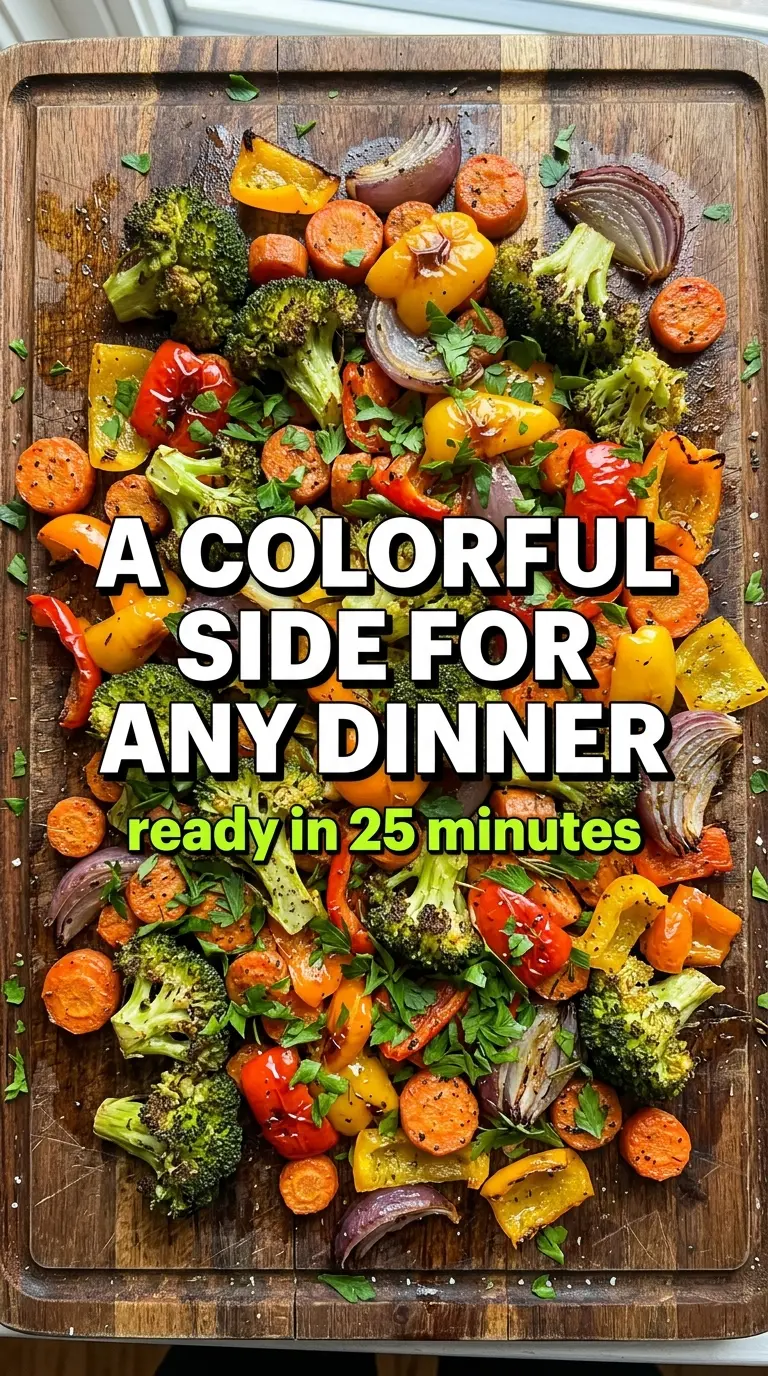
- Broccoli florets — These brown at the tips and catch the seasoning well, which is why they bring the most roasted flavor to the pan. Smaller florets cook more evenly and keep the stems from going soft before the tops are done.
- Baby carrots — Carrots bring sweetness and structure. Halving them lengthwise gives the cut sides more surface area, which helps them caramelize instead of just softening.
- Red bell pepper — Pepper softens quickly and adds sweetness. Thick slices hold up better than thin strips, which can collapse before the pan is finished.
- Zucchini — Zucchini brings moisture, so it needs space and heat to roast properly. Slice it into half-moons that are thick enough to stay intact; paper-thin slices turn mushy fast.
- Red onion — Onion is the quiet flavor-builder here. As it roasts, the sharp bite mellows and the edges turn sweet and deeply browned.
- Olive oil — Oil is what transfers the heat and helps the vegetables blister. A lighter coating won’t brown well; too much leaves the pan greasy, so 3 tablespoons is enough for this amount.
How to Get Color on Every Vegetable Without Overcooking the Zucchini
Coat the vegetables before they hit the pan
Toss everything in a large bowl so the oil and seasonings coat the cut surfaces evenly. If you season the pan after roasting starts, the vegetables brown unevenly and the herbs can clump in one spot. The mix should look lightly glossed, not slick or pooled.
Spread them out like you mean it
Pour the vegetables onto the pan in a single layer. If any pieces stack on top of each other, move them to a second pan. The vegetables need hot air around them, not a pile-up, or they’ll steam and turn soft before the edges can catch.
Roast until the edges go deep gold
Roast for 20 to 25 minutes, stirring once about halfway through. You’re looking for browned tips on the broccoli, tender carrots with some color on the cut sides, and zucchini that still has a little structure. If the pan looks pale at 20 minutes, give it a few more minutes rather than pulling it early.
Finish with parsley while the pan is still warm
Scatter the parsley over the vegetables right before serving. The heat wakes up the herbs without cooking them down, and that fresh finish keeps the pan from tasting one-note. Serve immediately while the edges are still crisp.
How to Adapt These Oven Roasted Vegetables for What You Have
Make it dairy-free and naturally vegetarian
This recipe already lands in that lane without any changes, which is part of why it works so well as a side dish. The flavor comes from browning and seasoning, not from butter or cheese, so you get plenty of depth from the oven alone.
Swap in sturdier vegetables for a winter version
Cauliflower, Brussels sprouts, and sweet potatoes work well here, but they need more time than zucchini or bell pepper. Cut them into similar-size pieces and start checking at 25 minutes, then roast longer until the edges darken and the centers are tender.
Use what’s in the drawer, but keep the moisture in mind
Mushrooms, asparagus, and green beans can all work, but each one changes the timing. Anything high in water needs more space and a hot pan, while denser vegetables need more time to cook through. Keep the mix balanced so one ingredient doesn’t turn soft while another is still firm.
Add protein without changing the method
Toss in chickpeas for the last 10 minutes if you want something more filling. They pick up the seasoning and get a little crisp on the outside without taking over the pan.
Storage and Reheating
- Refrigerator: Store leftovers in an airtight container for up to 4 days. The vegetables soften a bit as they sit, but the flavor stays good.
- Freezer: Roasted vegetables can be frozen, but the texture will soften after thawing, especially zucchini and bell pepper. Freeze in a single layer first, then transfer to a bag for the best chance of keeping some shape.
- Reheating: Reheat on a sheet pan in a 400°F oven until hot. The microwave makes them limp, which is the fastest way to lose the roasted edges you worked for.
Questions I Get Asked About This Recipe
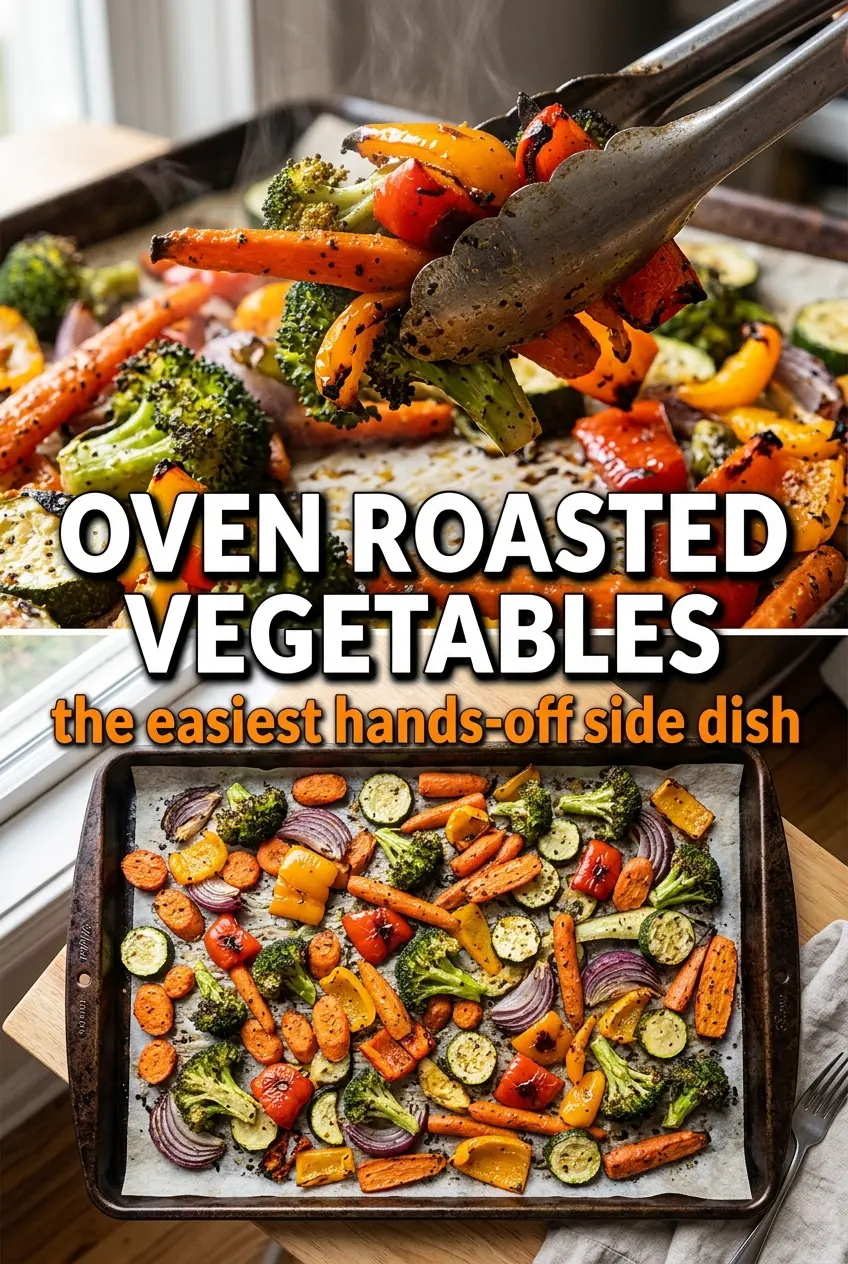
Oven Roasted Vegetables
Ingredients
Equipment
Method
- Preheat the oven to 425°F and line a large sheet pan with parchment paper.
- Toss all the vegetables together with the olive oil, garlic powder, Italian seasoning, kosher salt, and black pepper in a large bowl.
- Spread the vegetables in a single layer on the sheet pan, avoiding overcrowding (use two pans if needed).
- Roast at 425°F for 20–25 minutes, stirring halfway through, until tender and caramelized at the edges.
- Sprinkle with fresh parsley before serving.
- Store leftovers in an airtight container in the fridge for up to 4 days.